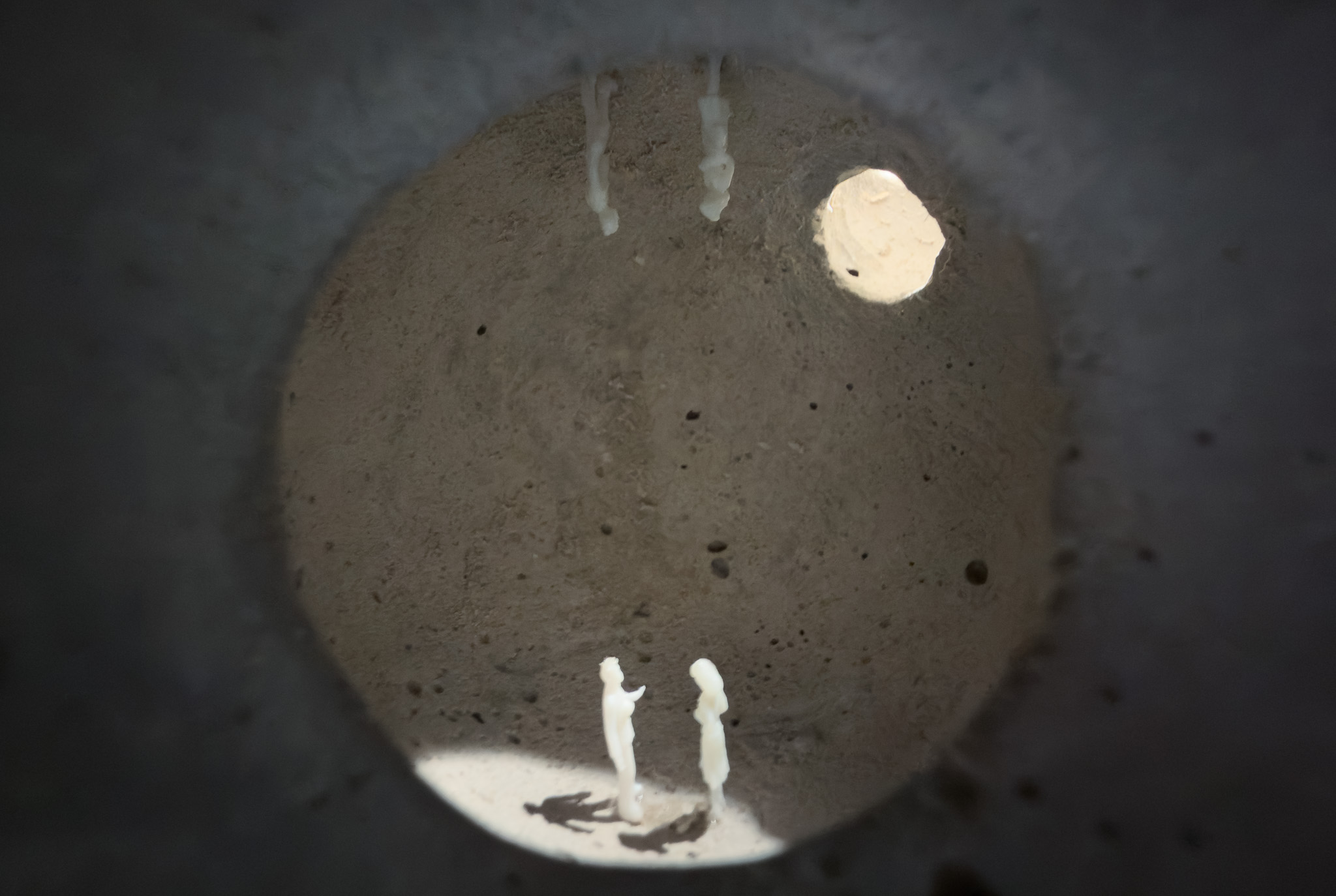
“If architecture is defined by what it is, what happens when it begins to exist as what it could become?”
Architecture is often understood through what can be defined — its matter, boundaries, orientation, and form.
Yet perception can disturb these certainties. The same space can become unfamiliar, contradictory, or even contain something that does not materially exist.
“If what we experience can exceed what physically exists, where does architecture truly end ?”
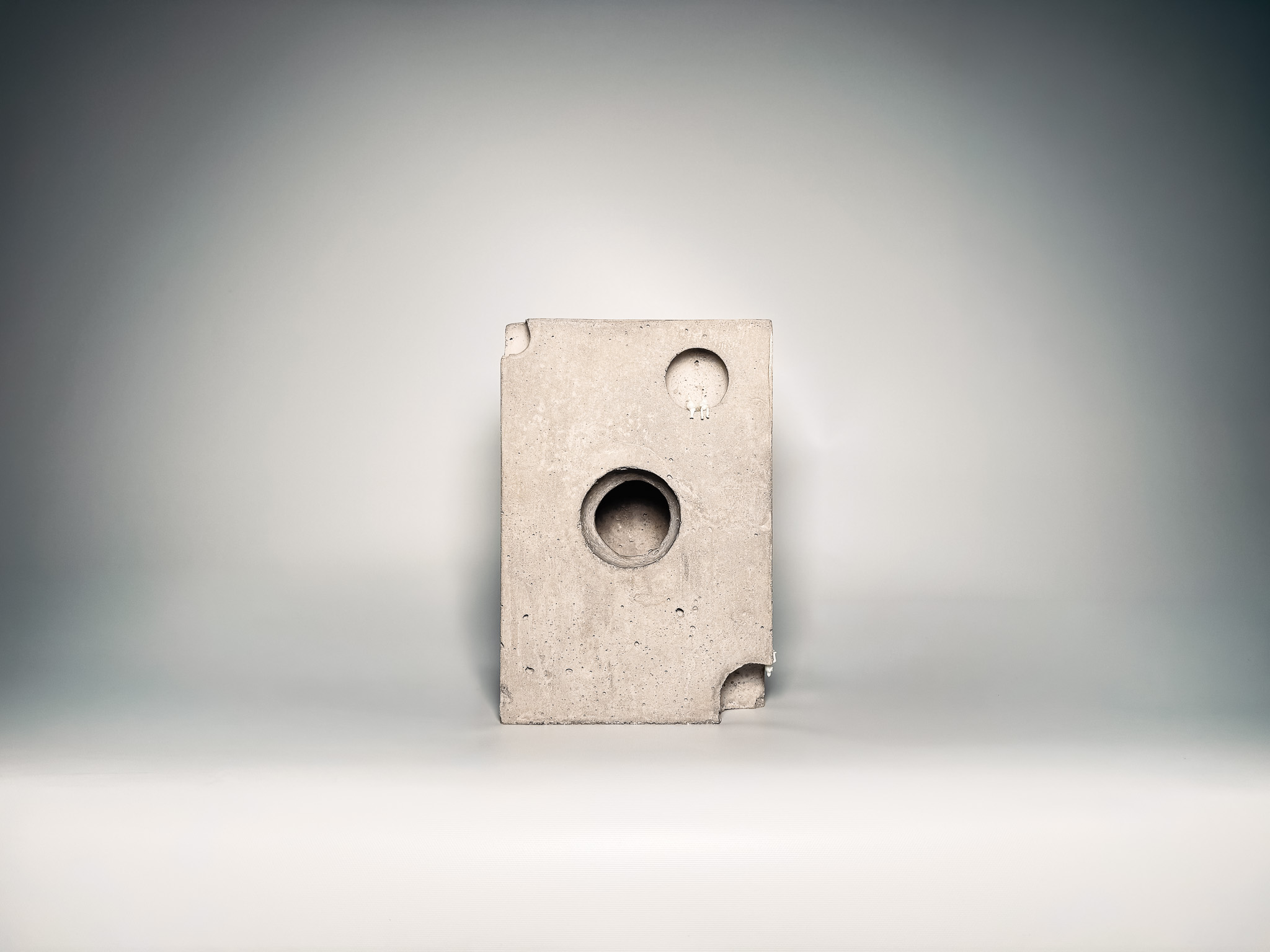
The solid appears absolute, yet the void interrupts its certainty. The object is no longer understood only through its material presence, but through the relationships that its absence produces.
“If there is no wrong way to occupy a space, was there ever a right way?”
The paradox lies not in the space changing, but in our certainty of how it should be understood. What we call order may be nothing more than a temporary agreement.
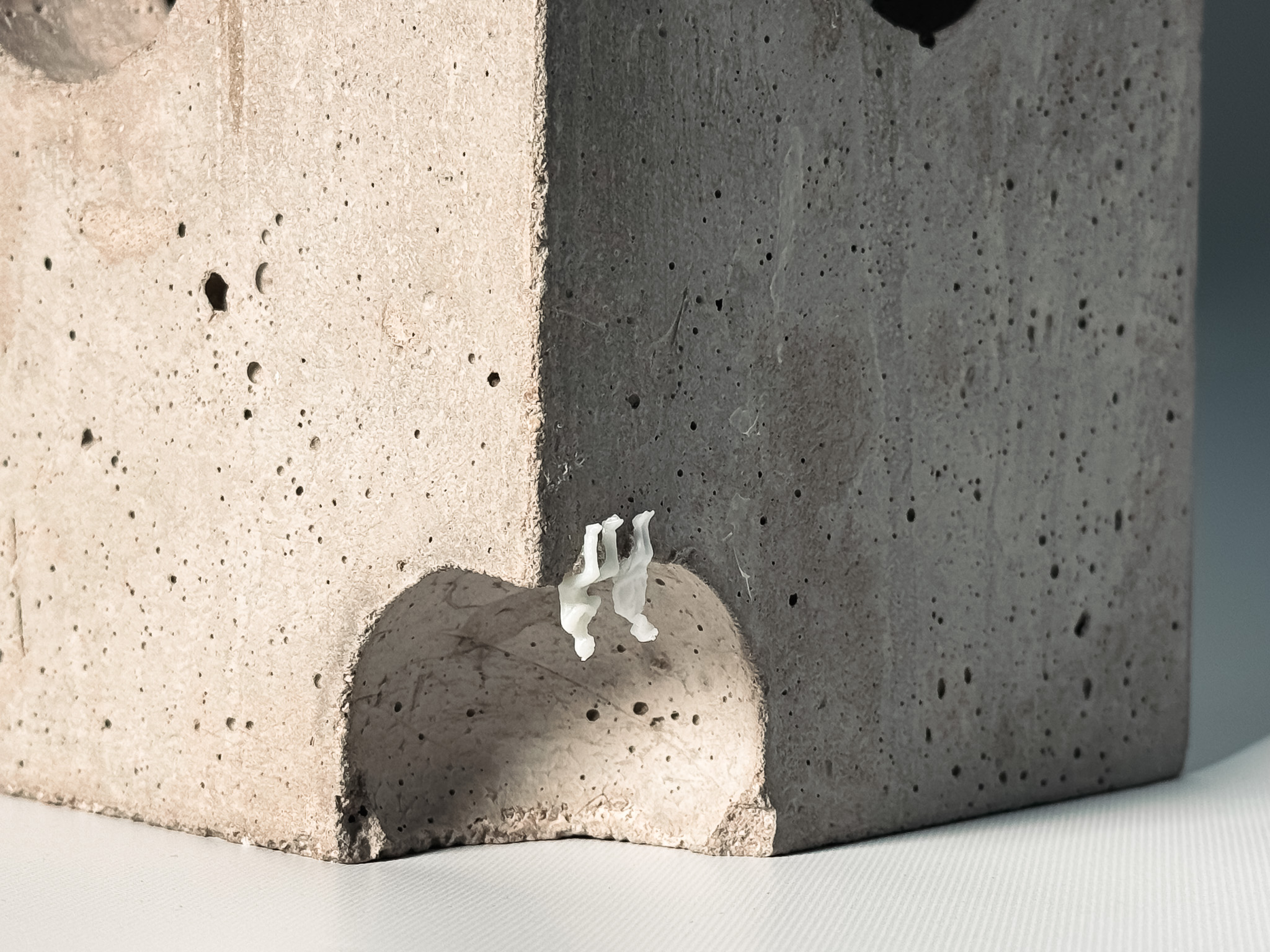
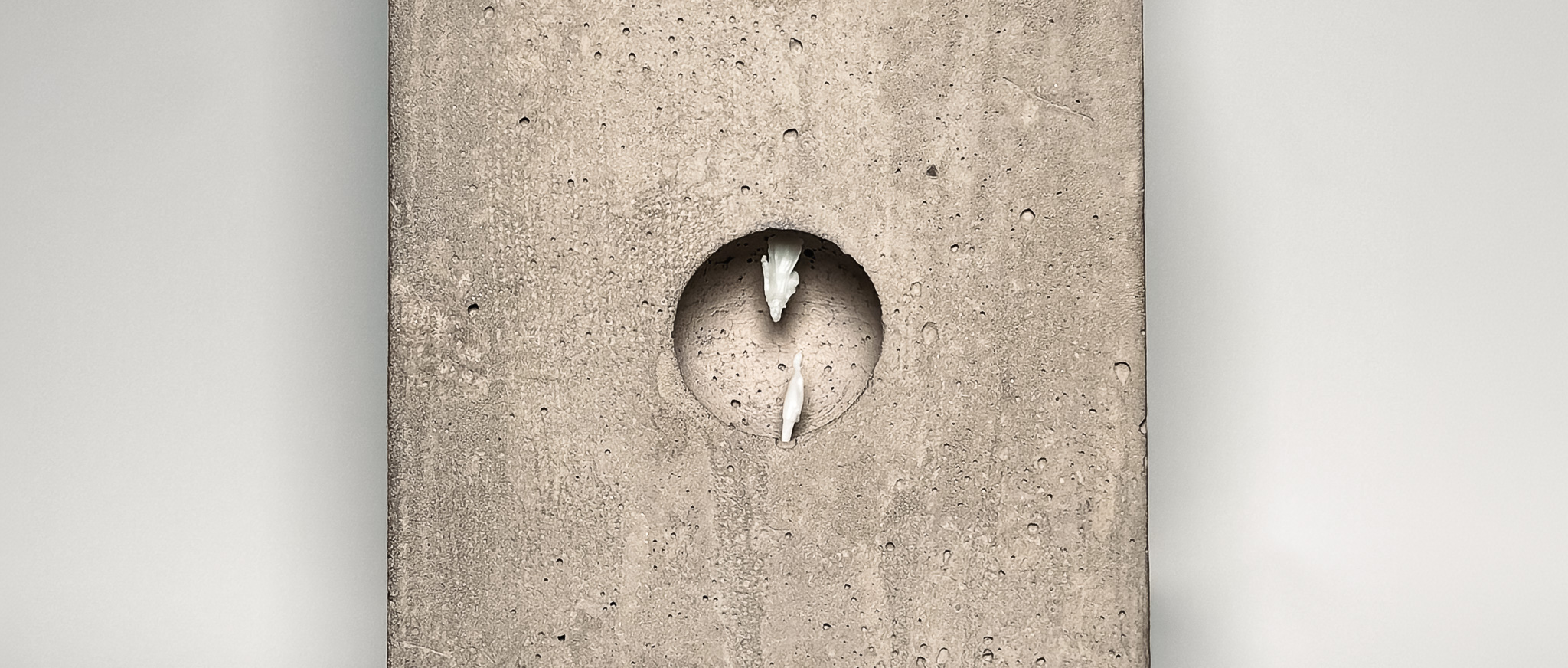
“Does architecture exist before we encounter it, or only through the act of encountering it?”
The form remains materially unchanged, yet its meaning shifts once the body enters its field. Scale turns matter into something relational; no longer simply an object, but something experienced.
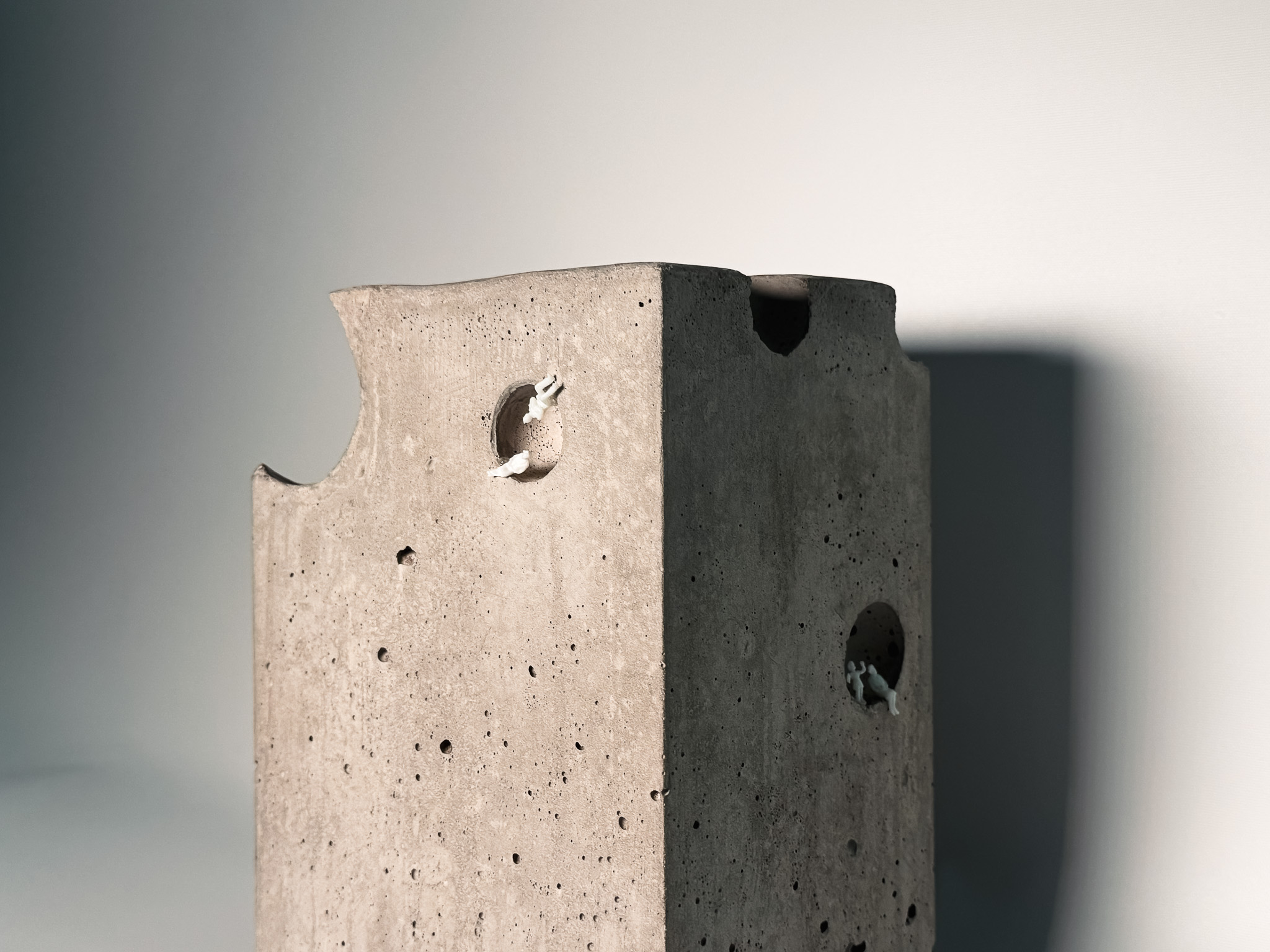
“If we remove enough from something, does it become less or does another reality begin to emerge?”
The void is not merely subtraction. It produces new relationships between inside and outside, light and darkness, presence and absence — the object begins to contain possibilities rather than a single condition.
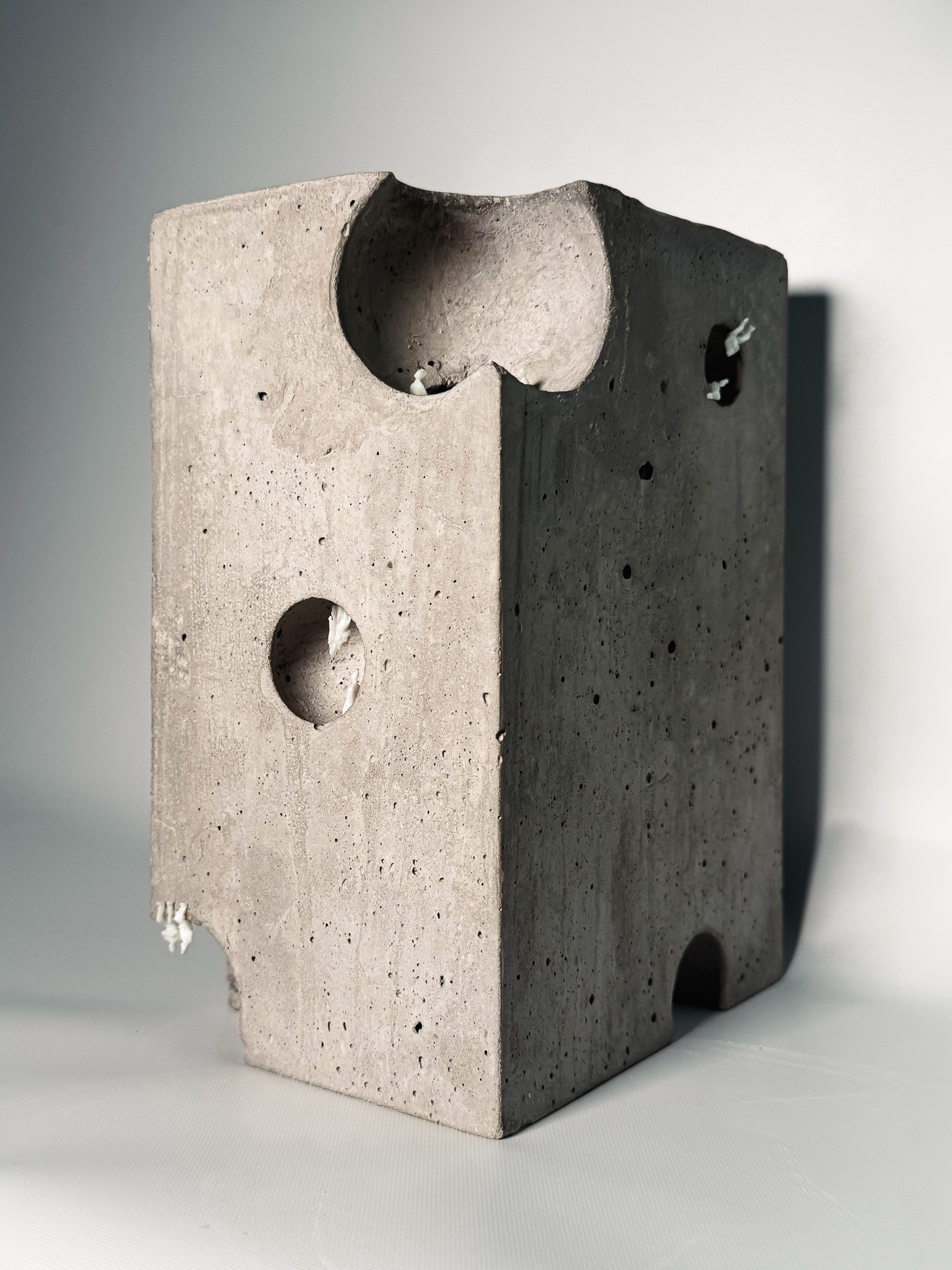
Enclosure, passage, refuge and obstruction coexist within the same material. The architecture has no single condition until perception selects one.
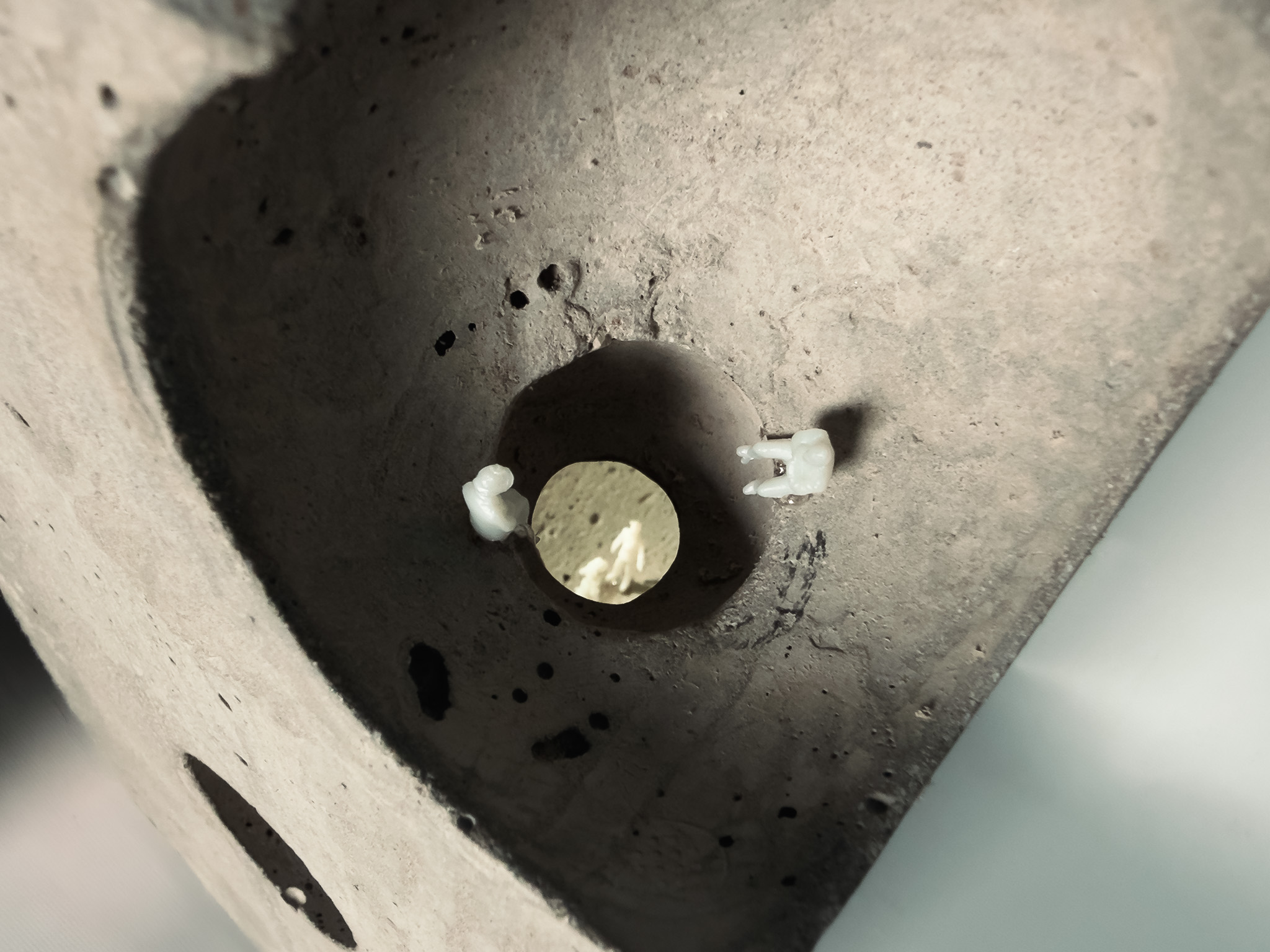
“If we cannot perceive what lies beyond a threshold, what makes us believe that anything lies there at all?”
The opening becomes an epistemic boundary: between what can be known and what must be imagined. Architecture begins to operate through uncertainty rather than certainty.
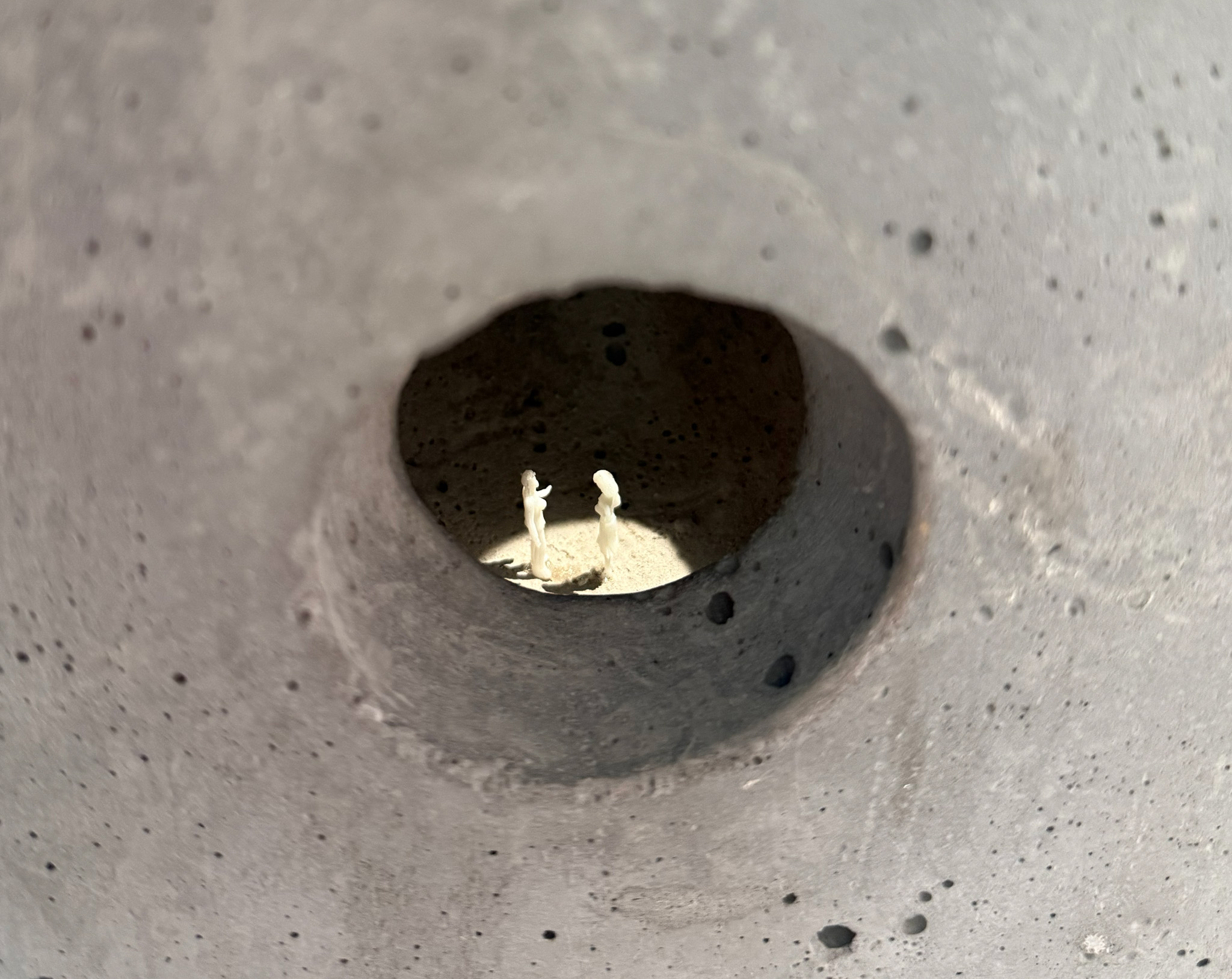
The space does not change, yet what it is capable of becoming changes with perception. Reality is therefore not exhausted by what is immediately present; it remains open to what another encounter might reveal.
“If perception can give presence to what is not there, was it ever truly absent?”
The reflected presence exists without existing materially; belonging neither to the object nor observer. What appears as another reality emerges between the two, suggesting that architecture can exist beyond its physical form.
“If what architecture is can become what it could be, was it ever only what it was ?”